
The Haggadah
בָּרוּךְ הַמָּקוֹם, בָּרוּךְ הוּא
Blessed is HaMakom; blessed is He.
We praise and thank Hashem at the Seder table in many ways. Here is one example, in which we bless Him by referring to Hashem as מָקוֹם — translated nominally as “Place.”
Hashem created “place,” or space: there was no place prior to divine Creation. All places, and all spaces which occupy some place, were created by Hashem — Who is present in all places, yet has no physicality. He is everywhere nevertheless, always and forever.
Hashem created both space and time for man to occupy and account for. Man was originally created to live eternally, like the angels, but the sin in the Garden changed everything. It caused man to become mortal, with but a relative moment to dwell on this earthly plane. And Hashem created the Place for man to occupy, and to strive to become one with Hashem, in His Presence.
Hence the Name מָקוֹם provides an insight into Hashem, as we occupy the space — the Place — He created for us in which to dwell, and to connect to Him. Hashem created it from absolute nothingness: yesh maAyin, ex nihilo, “something from nothing.”
But there is more — much more depth to this Name. Recall the great flood of Noach, Mei Noach, and the very first gathering of the waters at Creation:
Bereishis 1:10
וַיִּקְרָא אֱלֹקִים לַיַּבָּשָׁה אֶרֶץ וּלְמִקְוֵה הַמַּיִם קָרָא יַמִּים
God called the dry land Earth, and the gathering of waters He called Seas.
Pesachim 109a
מַיִם שֶׁכׇּל גּוּפוֹ עוֹלֶה בָּהֶן, וְכַמָּה הֵן? … שִׁיעֲרוּ חֲכָמִים מֵי מִקְוֶה אַרְבָּעִים סְאָה
Water that his whole body can enter at once — and how much is that? … The Sages measured the water of a mikveh at forty se’ah.
The great Flood of Noach served as a giant mikveh to purify the world, which was filled with sin and perversions of all sorts. Indeed, the forty se’ah required for a kosher mikveh is associated with the Flood, whose rain poured for forty days. Such is the spiritually purifying power of the mikveh mayim.
There were also two spans of forty days during which Moshe Rabbeinu received a set of Tablets: the first set, and then the second. During the second span, Moshe was not receiving the Torah — he was asking forgiveness for Israel’s sin of the Golden Calf. So twice there were forty-day periods when Moshe received the Ten Commandments.
We also know that mayim, water, is represented Kabbalistically by the letter mem. The letter מ is also the numerical equivalent of forty, and is said to represent the mikveh.
Bava Kamma 82a
אֵין מַיִם אֶלָּא תּוֹרָה
Water refers to nothing other than Torah.
The Midrash expands on this idea:
The words of Torah are likened to water, as it is written, “Ho, all who thirst, come for water” (Yeshayahu 55:1). Just as water goes from one end of the earth to the other, so does Torah go from one end of the earth to the other. Just as water is a source of life, so is Torah a source of life. Just as water is free to all, so is Torah free to all. Just as water comes from heaven, so the Torah’s origin is in heaven. Just as water makes many sounds, so the Torah is heard in many voices. Just as water quenches thirst, so Torah satisfies the soul. Just as water cleanses the body from impurity, so Torah cleanses the soul. Just as water begins as tiny drops and gathers into mighty rivers, so Torah is acquired word by word today and verse by verse tomorrow. Just as water flows down from a high place, so Torah departs from the haughty and remains with the humble. Just as water is not kept in vessels of silver or gold but in the simplest clay, so Torah is retained by those who are simple. Just as a great man is not embarrassed to ask a lesser one, “Give me some water,” so a scholar is not embarrassed to learn from a student a chapter, a verse, a word, or even a letter. And just as one who cannot swim will drown in water, so one who does not know how to “swim” in Torah can drown in it. Adapted from Shir HaShirim Rabbah 1:19
Water surrounds us both physically and spiritually. If we are not quenched with either, we feel a survivor’s thirst. If a Jew seeks spiritual quenching outside the realm of Torah, he will miss out on the pure waters of Gan Eden, where the Tree of Life, the Eitz Chaim, stood. We now have the Torah to quench our natural thirst for connecting to Hashem.
Looking deeper yet into Hashem’s Name מָקוֹם, we may gain a new perspective on the composition of the word itself. It contains four letters, the first and last both being the letter מ. The two remaining central letters spell out the word קו — literally “line,” kav.
Kav represents the Kabbalistic, spiritual connecting line between Hashem, the Infinite, and the physical realm — man, the finite. This line inside מָקוֹם is surrounded by two letters mem. As noted, mem represents water. Two such letters on either side of קו may suggest the waters of this physical plane, and how they were separated during the first days of Creation from the waters above, with a rakia between them:Bereishis 1:6–7
וַיֹּאמֶר אֱלֹקִים יְהִי רָקִיעַ בְּתוֹךְ הַמָּיִם וִיהִי מַבְדִּיל בֵּין מַיִם לָמָיִם. וַיַּעַשׂ אֱלֹקִים אֶת הָרָקִיעַ וַיַּבְדֵּל בֵּין הַמַּיִם אֲשֶׁר מִתַּחַת לָרָקִיעַ וּבֵין הַמַּיִם אֲשֶׁר מֵעַל לָרָקִיעַ וַיְהִי כֵן
God said, “Let there be an expanse in the midst of the water, to separate water from water.” God made the expanse, and it separated the water below the expanse from the water above the expanse. And it was so.
Another approach suggests that the connecting line — the קו, the pathway to Hashem — is surrounded by two letters mem addressing both our needs and our larger purpose:
- One mem: the water which sustains our physical being.
- The other mem: our spiritual need, quenched through Torah.
This balance allows us to use our existence to its fullest capacity, which is our unique purpose. The קו in between represents our connection to the Source of both these essential elements, necessary for life and its fulfillment. It is via this central kav that we connect to Hashem from this earthly plane.
Additionally, free will — choice — plays a central role in all of this. The Torah often repeats that Hashem will “choose” the מָקוֹם where He will have His sanctuary. We are made in His image, as we too are endowed with choice. Indeed, the place Hashem would choose for His sanctuary, where His Presence would be most concentrated, bears the name Beis HaBechirah, the House of Choice. Free will is how man is made in the image of Hashem.
It would be there, on that same space, the מָקוֹם, where Avraham would offer up his son Yitzchak as an olah. It would be in that Place where we would bring offerings to atone for our sins, and where we would be as close to His holy Presence as possible on earth. It would be the Place where the line between us and Hashem is most direct.
Taanis 7a
וְאָמַר רַבִּי חֲנִינָא בַּר אִידִי: לָמָּה נִמְשְׁלוּ דִּבְרֵי תוֹרָה לְמַיִם, דִּכְתִיב ״הוֹי כׇּל צָמֵא לְכוּ לַמַּיִם״, לוֹמַר לָךְ: מָה מַיִם מַנִּיחִין מָקוֹם גָּבוֹהַּ וְהוֹלְכִין לְמָקוֹם נָמוּךְ, אַף דִּבְרֵי תוֹרָה אֵין מִתְקַיְּימִין אֶלָּא בְּמִי שֶׁדַּעְתּוֹ שְׁפָלָה
Rabbi Chanina bar Idi said: Why are words of Torah likened to water, as it is written, “Ho, all who thirst, come for water”? To tell you: just as water leaves a high place and flows to a low place, so too words of Torah endure only in one whose spirit is humble.
Hashem is everywhere — where you allow Him in, and do not displace Him with your ego in His space, His מָקוֹם — as His sanctuary is also inside every Jew:
Shemos 25:8
וְעָשׂוּ לִי מִקְדָּשׁ וְשָׁכַנְתִּי בְּתוֹכָם
And make for Me a sanctuary, and I will dwell among them.
We all have a direct line — a kav — to connect to Hashem, הַמָּקוֹם, surrounded by both kinds of waters, physical and spiritual, to sustain us as we quench our thirst. We must recognize this, channel it, and live immersed within it — like a mikveh. The water which is Torah is how we connect to HaMakom. Hashem is holy, and holiness is only possible in a state of purity, achievable within the waters of the מִקְוֶה.
Shemos 14:29
וּבְנֵי יִשְׂרָאֵל הָלְכוּ בַיַּבָּשָׁה בְּתוֹךְ הַיָּם וְהַמַּיִם לָהֶם חֹמָה מִימִינָם וּמִשְּׂמֹאלָם
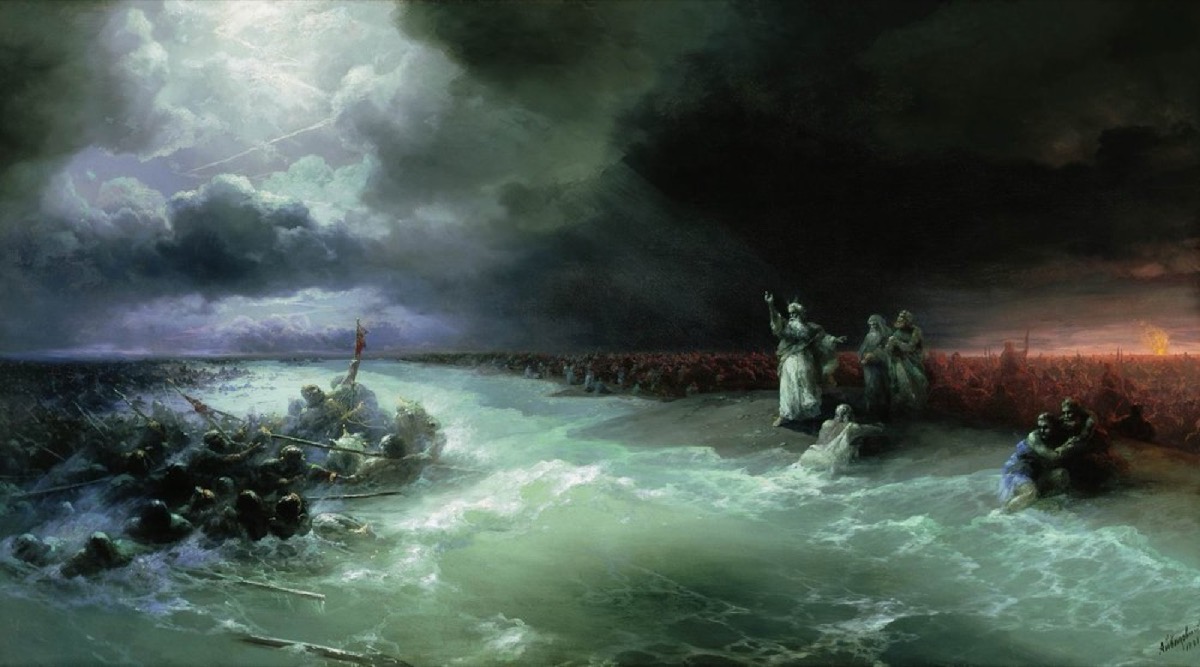
And the Children of Israel walked on dry land in the midst of the sea, the waters forming a wall for them on their right and on their left.
The newly freed Israelites found themselves surrounded on both sides by walls of water — מַיִם. They felt so connected to Hashem as they passed through that they broke out in song and praise, on a direct line to Hashem:
Shemos 15:11
מִי כָמֹכָה בָּאֵלִם ה׳
Who is like You among the mighty, Hashem?
The waters which gave life to the Israelites brought death to the pursuing Egyptians. Man possesses the unique ability to choose: free will.
מַיִם also begins and ends with the letter mem. Just as with מָקוֹם, the Israelites stood between two bodies of water — nourishing them, granting them freedom and hope after years of bondage. The yud in the middle of מַיִם represents ten, with many references: the first letter of the Tetragrammaton, the ten sefiros, the ten plagues that demonstrated Hashem’s control over nature, and of course the Ten Commandments. The Israelites were now believers — וַיַּאֲמִינוּ בַּה׳, “they had faith in Hashem” (Shemos 14:31); קַוֵּה אֶל ה׳, “hope to Hashem” (Tehillim 27:14) — realizing their long-held hope to be free. They were now on the path to receiving the Torah, which would keep them on the derech Hashem. מָקוֹם does indeed have great depth. The deeper we plunge, the higher we ascend. We are fortunate and joyous to remain immersed and connected, and must always strive to choose well.© J.S. Silverstein · Beor Panecha