
Vayikra 19:2
קְדֹשִׁים תִּהְיוּ כִּי קָדוֹשׁ אֲנִי ה׳ אֱלֹקֵיכֶם
You shall be holy, for I, Hashem your God, am holy.
Parashas Kedoshim opens with a command and its reason: “You shall be holy, for I, Hashem your G-d, am holy.” We are commanded to emulate Hashem’s attribute of holiness.
Hashem then details many mitzvos — positive and negative — that His people must keep to reach that status. One concerns the yield of a field. Two are directed specifically at the Jewish man. All three order that a “corner” be left untouched by its owner, and all three share a common term: peah.
More precisely, each uses the possessive form, pe’as — פְּאַת. Peah means “corner”; pe’as means “the corner of.”
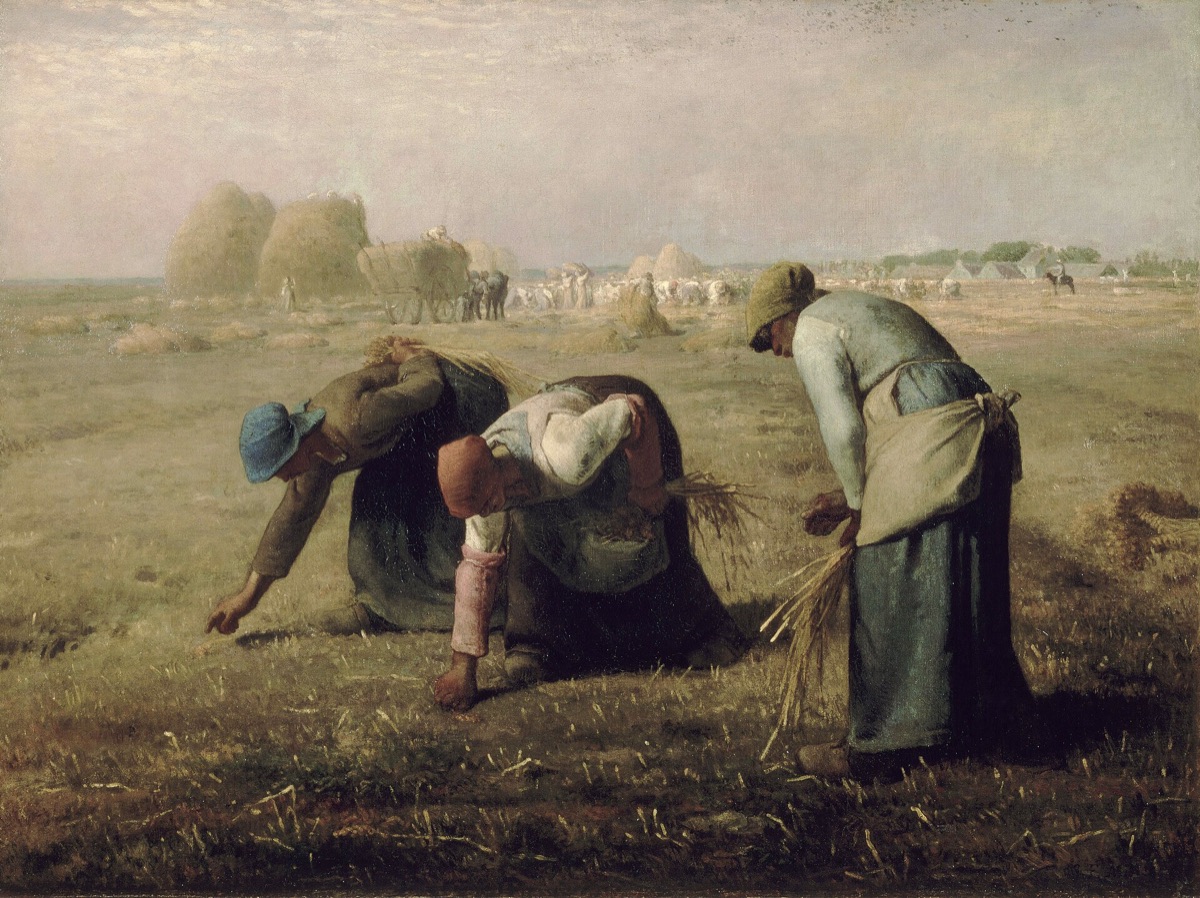
The first instance directs the Jew not to harvest the corner of his field, but to leave it as a kindness for the poor to gather:
Vayikra 19:9
וּבְקֻצְרְכֶם אֶת־קְצִיר אַרְצְכֶם לֹא תְכַלֶּה פְּאַת שָׂדְךָ לִקְצֹר
When you reap the harvest of your land, you shall not reap all the way to the corner of your field.
The other two concern the hair of a man’s head, and both appear in a single pasuk:
Vayikra 19:27
לֹא תַקִּפוּ פְּאַת רֹאשְׁכֶם וְלֹא תַשְׁחִית אֵת פְּאַת זְקָנֶךָ
You shall not round off the corner of your head, nor destroy the corner of your beard.
The first leaves the corners of the head — the sidelocks — uncut, “unharvested.” That is why sidelocks are called pe’os. The second forbids “destroying” the corner of the beard.
This third commandment touches an esoteric idea: that a man’s very physiology is imbued with an inherent holiness reflecting Hashem — the theme and the title of the parashah itself. Rabbeinu Bachya explains that the beard may not be “destroyed” because the letters of Hashem’s Name are sealed within the form of the human body: the yud, hei and vav are manifest in the bris, the mouth and the tongue — hence the prohibition on destroying the upper and lower parts of the beard (see Nazir 59b).
Rabbeinu Bachya goes on to explain why this applies to men, connecting it to sanctity in the most physical of acts (see Shevuos 18b): even then, the person is to be sanctified. The shape of the beard is not to be altered — “destroyed” — so that its holiness remains, even in the most physical of moments. Holiness is the name of the parashah, and here it is visible and preserved in the shape of a Jewish man’s face. The geometry of the face plays a part in emulating Hashem’s holiness through our physical selves.
The prohibition against “rounding off” the corner of the head is geometric as well. The Gemara (Makkos 20b) states:
Makkos 20b
הַמַּקִּיף פְּאַת רֹאשׁוֹ
One who rounds the corner of his head [is liable to lashes].
Notice the word “rounding.” Here is a prohibition against turning the square into a round. It gives the outward appearance classically associated with a pious Jewish man — the beard and the payos. The beard and the sidelocks may not be rounded.
But regarding the field, the opposite is true. The Mishnah teaches:
Mishnah Peah 1:1
אֵלּוּ דְבָרִים שֶׁאֵין לָהֶם שִׁעוּר: הַפֵּאָה, וְהַבִּכּוּרִים, וְהָרֵאָיוֹן, וּגְמִילוּת חֲסָדִים, וְתַלְמוּד תּוֹרָה
These are the things that have no fixed measure: peah, the first fruits, the pilgrimage offering, acts of kindness, and the study of Torah.
There is no upper limit to these mitzvos. Leaving the corners of a field for the poor implies a field that is, in general, square. Yet with peah one may leave as much as one wishes — the entire field may be “cornered off” for the poor. Taken toward its limit, cutting away the corners yields a circle: the field is “rounded.”
This change to the field’s geometry, for the sake of holiness, aligns with the other two mitzvos of peah. Our outward appearance becomes a vehicle for sanctifying the physical. Shaping the physical to Hashem’s design applies both to the person and to his field — the source of his physical sustenance, whose purpose is to serve Hashem. All of this reminds us of the Source of everything in this physical world. It is through the physical that we reveal the spiritual, and spread kindness with modesty and deference.
Every aspect of our presence in this world is to reflect holiness — His holiness — which is the title and the underlying premise of Parashas Kedoshim.
Judaism rejects asceticism, the refusal to enjoy the fruits of this physical world. On the contrary, it requires us to engage the physical — and to imbue it with holiness and purpose, aspiring to His holiness.
Vayikra 19:2
קְדֹשִׁים תִּהְיוּ כִּי קָדוֹשׁ אֲנִי ה׳ אֱלֹקֵיכֶם
You shall be holy, for I, Hashem your God, am holy.
© J.S. Silverstein · Beor Panecha