
Megillas Chanukah is a little-known text, not part of the canon of Tanach. Yet it gives a detailed account of what happened under the wicked and exceedingly powerful King Antiochus Epiphanes, in the time of the Second Temple.
The evil did not begin with the Syrian Greeks. It began with a band of Jews who set out to abandon the holy covenant with Hashem and to make “a covenant with the nations around us, for since we parted from them, many evils have befallen us.” The Jews themselves started a movement to assimilate — to be like the nations and act like them, all to avoid further evils.
They would give up Torah, bris milah, Shabbos, kashrus and the festivals, and take on the immoral and pagan ways of the Greeks — the Syrian Greeks, with their idol worship, their naked wrestling and their gymnasia. But instead of finding favor with the king and the nations, utter destruction, humiliation and oppression fell upon the entire Jewish people.
After a victorious campaign in Egypt, King Antiochus returned in the 143rd year and sacked, plundered and defiled the Holy Temple in Jerusalem. He enforced the “new covenant” absolutely: every Jew was to abandon every Jewish practice — what a small band of Jews had foolishly asked for. Defying the king’s decree meant death.
The devastation went on into the 145th year, when sifrei Torah were torn and burned and the altar was defiled. A woman whose son was found circumcised was put to death, with her baby, and her house destroyed. Many chose death rather than violate Hashem’s bris. It was a very dark time for the Jews.
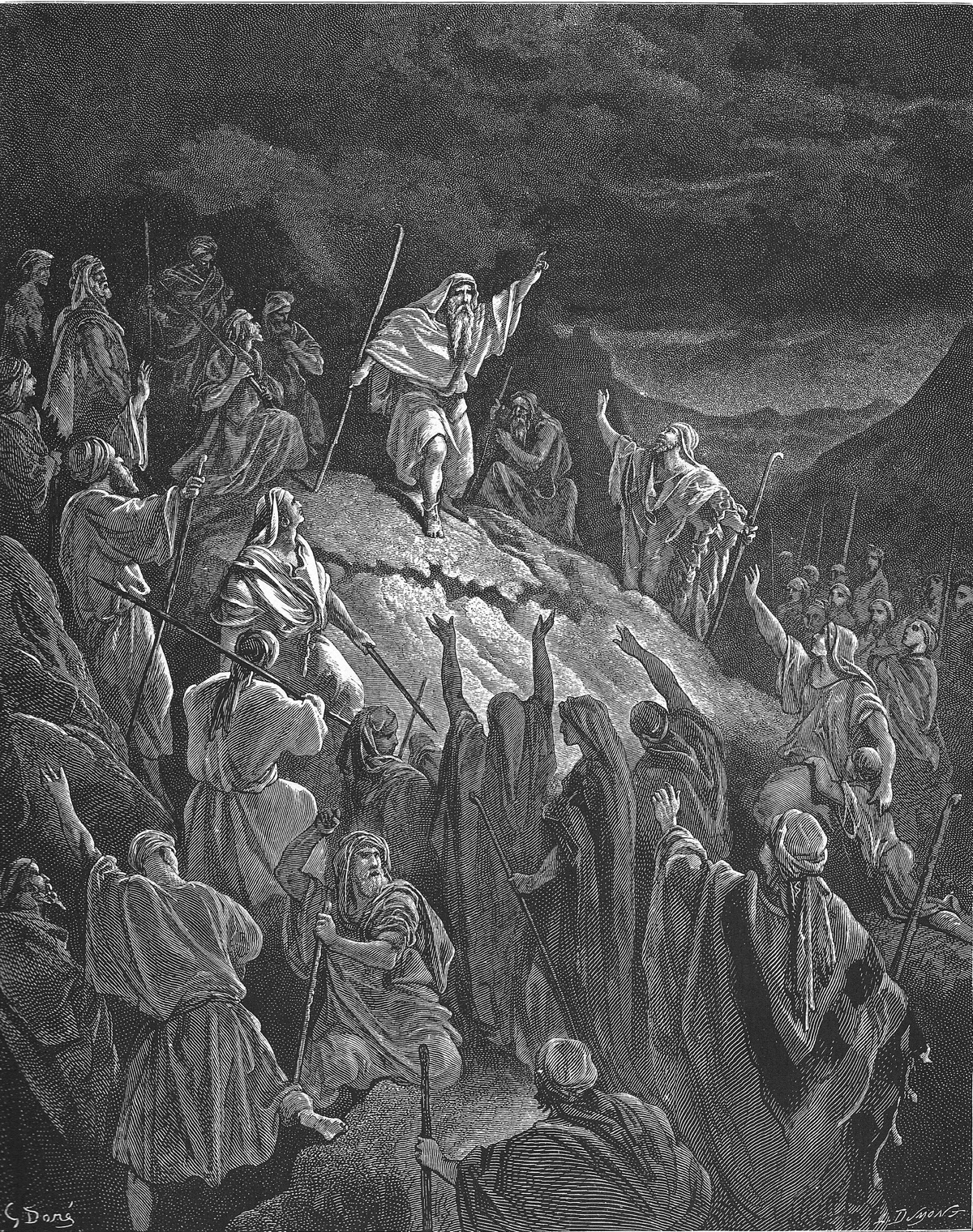
Then a band of zealous Kohanim arose, led by their father, Mattisyahu, the Kohen Gadol. He began the campaign to defy the “new covenant” with the king. Just after declaring his defiance, Mattisyahu saw a fellow Jew brazenly and publicly offering a sacrifice on a foreign altar, and in his zeal he struck the man down — “as Pinchas did to Zimri ben Salu.”
Bamidbar 25:11
פִּינְחָס בֶּן־אֶלְעָזָר בֶּן־אַהֲרֹן הַכֹּהֵן הֵשִׁיב אֶת־חֲמָתִי מֵעַל בְּנֵי־יִשְׂרָאֵל בְּקַנְאוֹ אֶת־קִנְאָתִי בְּתוֹכָם
Pinchas son of Elazar son of Aharon the Kohen turned back My wrath from the Children of Israel, in his zeal for Me among them.
Pinchas was explicitly made a Kohen for the zealous devotion he showed in his public and holy act: striking down a Jew who, in the act with a Midianite princess, had given in to immorality and idol worship. In both cases the heroic act may well have saved the Jewish people from extinction — from vanishing into assimilation. And in the Chanukah story, that is what some Jews actively sought, even asking for a covenant with a foreign king. It was the Kohen Gadol Mattisyahu, and before him Pinchas, who saved the day.
Other details in Megillas Chanukah echo earlier events in Tanach. Its first chapter describes the horrors of the “new covenant”: “bride and groom lamented in their wedding chamber.” And in the Gemara’s account of another great sin of the Jews themselves — the Golden Calf — it describes “a bride who betrayed her husband within her wedding canopy” (Shabbos 88b). The image is a metaphor, but the parallel holds.
Describing the tragedies that befell Israel for abandoning Hashem’s Torah for the ways of the nations, Megillas Chanukah says: “and all the Land was corrupted before them.” The same word was used when Hashem told Moshe to go down from Sinai:
Shemos 32:7
לֶךְ־רֵד כִּי שִׁחֵת עַמְּךָ
Go, descend, for your people have become corrupt.
In both stories — Chanukah and the Golden Calf — the people themselves chose the ways of the nations, with idol worship and immorality (Shabbos 88b). And in both, the corruption is described with the same word — once in the Land, once before the people had yet entered it.
Mattisyahu and his sons fled to hide in the wilderness. In time his son Yehudah HaMaccabi led a small band of Jewish fighters and, against all odds, defeated the far larger, far better-armed Syrian Greek army. This family of Kohanim rededicated the Temple and its sanctuary. They found only one sealed flask of pure oil for the menorah — a day’s worth — and it burned for eight. The altar was rededicated on the 25th of Kislev, and “Yehudah and his brothers and all the congregation of Israel” established that those days be kept each year, for eight days, from the 25th of Kislev, with joy and thanks, lighting lamps in every home.
Eight lights
חֲנֻכָּה · 25 Kislev
The Al HaNisim prayer of the festival retells the miracle: “Afterward Your children came to the inner sanctuary of Your House, cleansed Your Temple, purified Your Holy place, and kindled lights in the courtyards of Your Sanctuary…” — u’finu es heichalecha.
This priestly family seems destined to save the Jews from assimilation and destruction. It is even written in their name. The festival lasts eight days, from the 25th of Kislev. The first letter of Chashmonai, ches, has the value eight — the number most closely bound to the Festival of Lights. And the remaining letters spell shmona — eight.
Eight, and eight
חַשְׁמוֹנַאי · the Kohanim’s family
In Parashas Mikeitz, usually read on Chanukah, Yosef explains to Pharaoh why his dream came twice:
Bereishis 41:32
וְעַל הִשָּׁנוֹת הַחֲלוֹם אֶל־פַּרְעֹה פַּעֲמָיִם כִּי־נָכוֹן הַדָּבָר מֵעִם הָאֱלֹקִים
And the dream was repeated to Pharaoh twice because the matter is established by G-d.
Two eights, then, are written into the very name of the priestly family that saved the Jewish people from assimilation and destruction, and rededicated the altar: the Chashmonaim — eight, and eight.
Chanukah mid’oraisa minayin? Could there be sources for Chanukah hidden in the Torah itself? (The word Chanukah, in Hebrew, contains the letters of Kohen.) Are there precedents for the Kohen in particular as the one who saves and preserves the Jewish people?
One clear clue comes from a Sephardic custom. On the first day of Chanukah they read from Bamidbar 6:23 — the command to Aharon the Kohen Gadol to bless the people: Bircas Kohanim, the Priestly Blessing. It is one of the few holy services still performed today, and only by Kohanim, even without the Temple — may it be rebuilt speedily in our days.
Bamidbar 6:24–26
יְבָרֶכְךָ ה׳ וְיִשְׁמְרֶךָ. יָאֵר ה׳ פָּנָיו אֵלֶיךָ וִיחֻנֶּךָּ. יִשָּׂא ה׳ פָּנָיו אֵלֶיךָ וְיָשֵׂם לְךָ שָׁלוֹם
May Hashem bless you and guard you. May Hashem shine His countenance upon you and be gracious to you. May Hashem lift His countenance to you and grant you peace.
The blessing has three phrases, each opening with a verb. The first — yevarechecha, “may He bless you… and guard you” — Chazal read as a blessing for victory over our enemies and for material prosperity, and that Hashem guard what was gained. That was surely seen in the miraculous victory of Yehudah HaMaccabi, a Kohen leading his people.
The second phrase may hold an allusion to the festival of rededication: Ya’er Hashem panav eilecha vichuneka — “may Hashem shine His countenance upon you and be gracious to you,” that you may perceive the wondrous light of the Torah through His grace. Panav, says the Netziv (HaEmek Davar), is Hashem’s revealed purpose in ruling the world: He sheds His light so that we understand His greatness and His will, and know that our blessings come from Him, not by chance.
The phrase opens with ya’er — “shine,” light. And it ends with vichuneka — which holds the root of the word Chanukah.
Bereishis 43:29
אֱלֹקִים יָחְנְךָ בְּנִי
May G-d be gracious to you, my son.
The same word is used by Yosef when he first sees his brother Binyamin in Egypt — Elokim yachnecha beni. Yosef had been made the firstborn, as Chazal describe, with Yaakov’s gift of the kesones; and the firstborn and the Kohen often share a similar standing. In a sense, Yosef was giving Binyamin a form of that very blessing.
And the middle word, panav, may also hold a clue. In Al HaNisim, after thanking Hashem for saving us, we describe the rededication of the Temple — the root of the festival and its name: “Afterward Your children came… u’finu — and cleansed Your Temple… and kindled lights.” U’finu shares its root with panav, the central word of the second phrase of the Priestly Blessing.
Light, countenance, grace
יָאֵר · פָּנָיו · וִיחֻנֶּךָּ · Bamidbar 6:25
So the second phrase holds ya’er, light; panav, basking in the light of Hashem’s countenance — which impurity and sin obscure, as happened with the pact of assimilation with Antiochus, who defiled the Holy of Holies, where the Kohen Gadol would draw as close to Hashem as a person can, on behalf of all Israel; and vichuneka, the root of Chanukah, that Hashem showed us grace — chen — in the rededication of the Temple and the altar. And it was Kohanim, the priestly family of the Chashmonaim, who restored that holy place.
Why were the Kohanim the ones to save the day? Why was it a Kohen Gadol, the zealous Mattisyahu, who began the fierce rebellion — against his own heretical brethren and against the overwhelming might of the Syrian Greek army? It could have been an ordinary Jew, or a prophet. Could there be a tikun behind his calling — a repair for a wrong done by an earlier Kohen Gadol?
Recall that the sin of the Golden Calf was a return to the ways of Egypt — immorality and idol worship — at the foot of Mount Sinai. The Temple in Jerusalem was seen as a parallel to that mountain, where Hashem would “dwell” and “speak” in the devir, the Holy of Holies. And that holy place was defiled with the same sins as the terrible sin at Sinai, when most of the people followed a minority — the erev rav — after losing hope that Moshe would return from the mountain.
And it was Aharon, the Kohen Gadol, who collected and cast the gold that made the idol. Could Mattisyahu’s zeal have come as a tikun for his ancestor’s part in that sin? The sins of the nation are strikingly alike, the events so parallel, and the instigators of the response bear the same lofty title — Kohen Gadol. It is worth pondering whether these stories belong to one larger story.
Another clue about the Kohen as the zealous protector of his people lies in the words that introduce the Priestly Blessing:
Bamidbar 6:23
כֹּה תְבָרְכוּ אֶת־בְּנֵי יִשְׂרָאֵל אָמוֹר לָהֶם
Thus shall you bless the Children of Israel; say to them.
The Baal HaTurim expounds the first word, koh — “thus.” Its letters, kaf and hei, add up to 25. There are 25 letters in the first pasuk of Shema; the word berachah appears 25 times in the Torah; and so does the word shalom.
When the Jews abandoned their covenant with Hashem for a covenant with King Antiochus, they abandoned the very essence of their faith in the One G-d — the declaration of Shema Yisrael. (The last letters of Shema Yisrael spell ol, the yoke of our bond with Hashem and the Torah.) It is in the Shema that we are told of the blessings for following His ways, and the curses if we “stray after our hearts and our eyes” — as a group of Jews did with Antiochus, and at the mountain. Only by following Hashem’s ways do we find peace — not by imitating the nations and abandoning our holy code of ethics, morality and devotion to Hashem.
Indeed, the final blessing of the Shemoneh Esrei blesses Hashem “Who blesses His people Israel with peace” — shalom, the ultimate blessing, and the last word of the Priestly Blessing. And note that the 25th word of the Torah is or — light.
Parashas Pinchas opens with Hashem granting Pinchas the priesthood for all time. In his zeal to save an erring nation, Pinchas had acted boldly; all Kohanim Gedolim would descend from his line — the Chashmonaim among them. Megillas Chanukah alludes to their zealous ancestor. Before his sons went out to battle, Mattisyahu gave each a blessing. To his son Elazar he said: “Elazar my son, I compare you to Pinchas the son of Elazar, who was zealous for his G-d and saved Israel.”
Bamidbar 25:12
לָכֵן אֱמֹר הִנְנִי נֹתֵן לוֹ אֶת־בְּרִיתִי שָׁלוֹם
Therefore say: Behold, I give him My covenant of peace.
Rabbeinu Bachya draws a parallel from lachen emor to the command of the Priestly Blessing, amor lahem, “say to them.” Rashi notes that there amor is written “full,” with a vav where none was needed — to teach that the blessing must not be said hastily or by rote, but with full intention and b’lev shalem, a whole heart. A whole heart means love, as in “you shall love Hashem your G-d with all your heart.” The Kohen must bless with deep intention and love. (Perhaps not by chance, the Latin-rooted amour, “love,” shares the sounds of amor.)
The priestly family aptly named Chashmonaim lit the lamps, letting the light of Hashem’s countenance and His Torah shine — ya’er. They did so only after they cleansed the Temple — u’finu, panav — so that the light of His Torah could fill the Sanctuary and every Jewish home, each a small sanctuary of its own, basking in that light as we do on Chanukah: vichuneka.
This miracle of cleansing, rededication and light was born and is celebrated on the 25th of Kislev. And all of it was begun and carried out by Kohanim — who still bless their fellow Jews with a blessing that holds these very themes.
May we all be blessed with the purity, holiness and light of Hashem’s Torah, and may the lights of Chanukah always remind us of the miracles, then and in our days.
© J.S. Silverstein · Beor Panecha
Get each new d’var Torah by email
New videos and divrei Torah, straight to your inbox.